
Opinion: TSU Needs Support, Not Judgement
By De J. Lozada
Texas Southern University is more than a school. It is a cornerstone of Black excellence, community resilience, and educational justice in Texas.
I know TSU well. As the inaugural Director of Diversity, Inclusion, and Equity in Education for the Texas Higher Education Coordinating Board, I helped to create and to fund many of its student retention and success programs they rely on to this day. I saw firsthand how TSU transforms lives, often with limited resources and against steep odds.
TSU is a sacred institution for Houston’s Third Ward and for the state of Texas. It has opened doors for generations of students who come ready and eager to learn, even as inequitable K–12 systems have failed to prepare them fully. Yet their determination to succeed is unmatched.
TSU was built for them. It exists to level the playing field, to cultivate potential where others saw none, and to serve as an anchor for a community long excluded from opportunity. That mission cannot be replaced or replicated by folding TSU into a larger university system that lacks cultural fluency, community trust, or historical understanding.
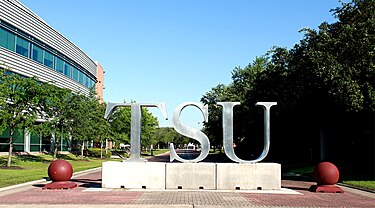
TSU’s 150-acre campus sits in Houston’s historic Third Ward, one of the city’s most important Black cultural centers. That land is not simply real estate. It is a symbol of perseverance and progress. For years, developers and policymakers have eyed the property for other uses. But the campus is not a development project to be “repurposed.” It is a living monument to the community’s right to self-determination and education.
Recent audits and proposals to fold TSU into another system are cause for concern. Oversight is necessary in any public institution, but when accountability turns into control, it risks undermining the very mission TSU fulfills.
This university serves students who are often first-generation, working adults, or balancing family responsibilities. They are navigating challenges that wealthier institutions rarely confront. Holding TSU to the same metrics as flagship universities without recognizing these realities is neither fair nor honest.
TSU is one of only two public Historically Black Colleges and Universities (HBCUs) in Texas. By federal definition, HBCUs were established before 1964 with the principal mission of educating Black Americans. That identity is not incidental; it is essential.
Some may see TSU as simply another “minority-serving” institution. But it is far more than that. It is a cultural and civic institution that has anchored Houston’s Black community for nearly a century and continues to prepare leaders who make this state stronger.
TSU must continue improving transparency, student success, and community partnerships. But the state has a parallel obligation to respect TSU’s autonomy and to fund it equitably. What TSU needs most is partnership built on trust, not control.